

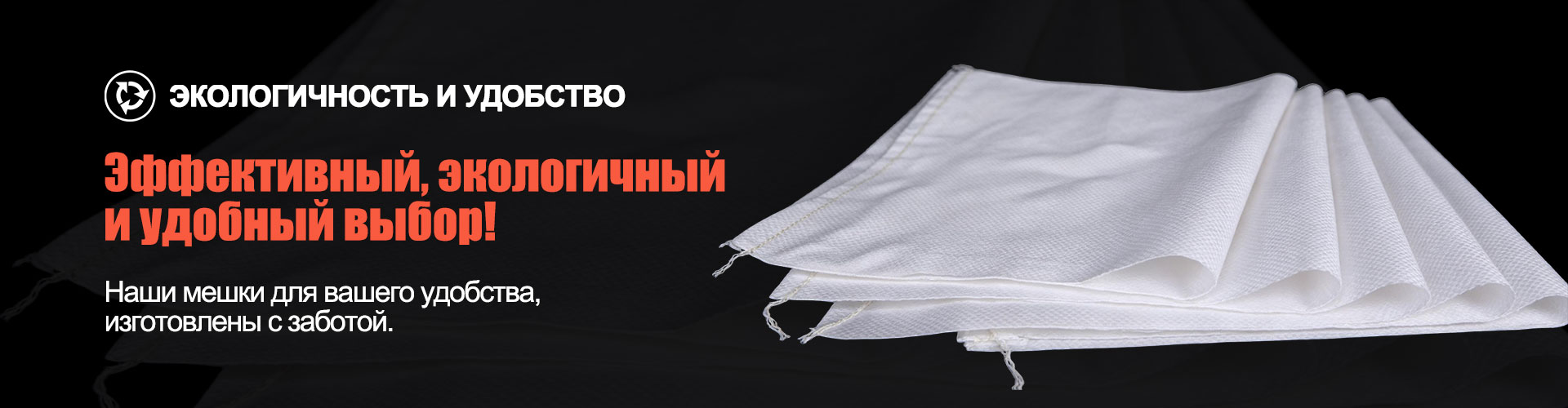
Ecological modernization and improved quality standards stimulate high-quality industry development
2026-06-24
In 2026, China's plastic woven bag (PP Woven Bag) industry will enter a key period characterized by "environmental transformation, upgrading standards and increasing market concentration." The total market size is expected to exceed 51 billion yuan, up 5.2% from the previous year, and production volume is expected to stabilize at over 68 billion, accounting for more than 42% of global production capacity. China will continue to remain the world's largest producer and exporter of these products.
1. Significant changes in the state standard, a general increase in requirements
Recently, the standard GB/T 8946 “General technical requirements for plastic woven bags” has undergone another round of revision and entered the stage of public comment; it will come into force within this year. Main changes:
● Added special indicators for multi-layer bags, bags with a square bottom and a valve, as well as bags with UV protection;
● Increase the requirements for warp and weft density, tensile load and drop strength, and strictly control the entry of “thin and weak bags” into the market;
● Test methods for moisture resistance, heat resistance and aging resistance have been determined to meet the requirements of long-term transportation and open storage of bulk cargo such as chemical fertilizers, grain and building materials. It is widely believed in the industry that the new standard will speed up the phase-out of outdated SME production facilities and force companies to modernize equipment and formulations.
2. Environmental requirements and the use of recycled materials become mandatory conditions, and the threshold for export is raised
Under the dual influence of the domestic “double carbon target” policy and the EU PPWR (Packaging Waste Regulation) directive, the share of post-consumer recycled content (PCR) has become a “standard requirement” for export orders.
● In 2026, the average share of recycled polypropylene in the industry will reach 28%, while high-quality export orders will require 30-50% recycled material;
● Customers in Europe, the Middle East and Southeast Asia prefer eco-friendly woven bags laminated with waterproof film, made from high recycled content and with a trackable carbon footprint;
● Leading companies have already started creating carbon footprint accounting systems; The carbon footprint of one bag must not exceed 2.8 kg CO₂e/kg, otherwise the product will not be able to enter the supply chain of international brands.
3. Modernization of the demand structure: from “to fit” to “ease of use + branding”
There is a clear differentiation of demand in the end-consumer market:
● Agriculture (grain, chemical fertilizers): the share is about 38%, the demand for essential goods remains stable, but the requirements for moisture resistance, strength and weather resistance have increased significantly;
● Chemical industry / Construction materials: share is about 29%, mainly bags with thick walls, high strength, with valve or square bottom, customized;
● Export markets: In 2025, the export volume will be nearly 16 billion pieces, and the net export value will be about 29 billion US dollars; The fastest growth is observed in the color printing, lamination and high-permanence products segments;
● E-commerce/logistics: There is a growing demand for lightweight, colorful and branded woven bags, which partially replace traditional cardboard boxes.
4. Industry challenges: simultaneous labor shortages and cost pressures
The polypropylene woven products industry remains labor-intensive, with a national labor shortage of nearly 150,000 by 2026 and an average capacity utilization rate of just 73%. The problem of “labor shortage” is especially acute in major manufacturing regions such as Guangdong, Zhejiang and Shandong. At the same time, fluctuating polypropylene prices and rising environmental and energy costs are forcing businesses to move from a “price war” to a “value-added war”—maintaining profits by automating equipment, optimizing recipes, and producing high-value-added custom orders.
5. Industry trends: increasing market concentration, strengthening the advantages of manufacturing plants
● The market share of the ten largest enterprises increased from 32.4% in 2024 to 34.1% in 2025, and mergers and acquisitions accelerated;
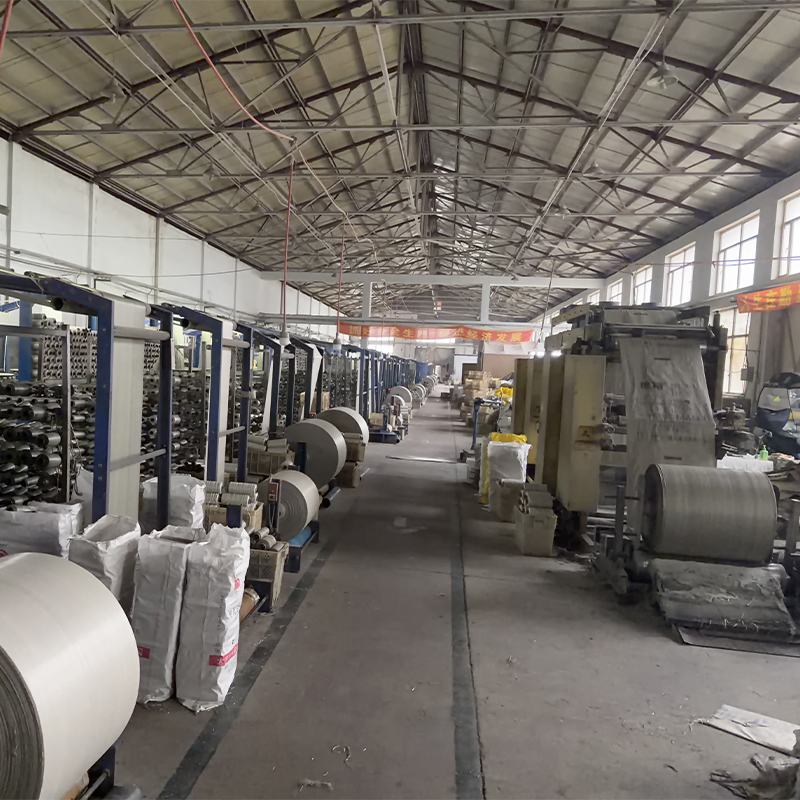
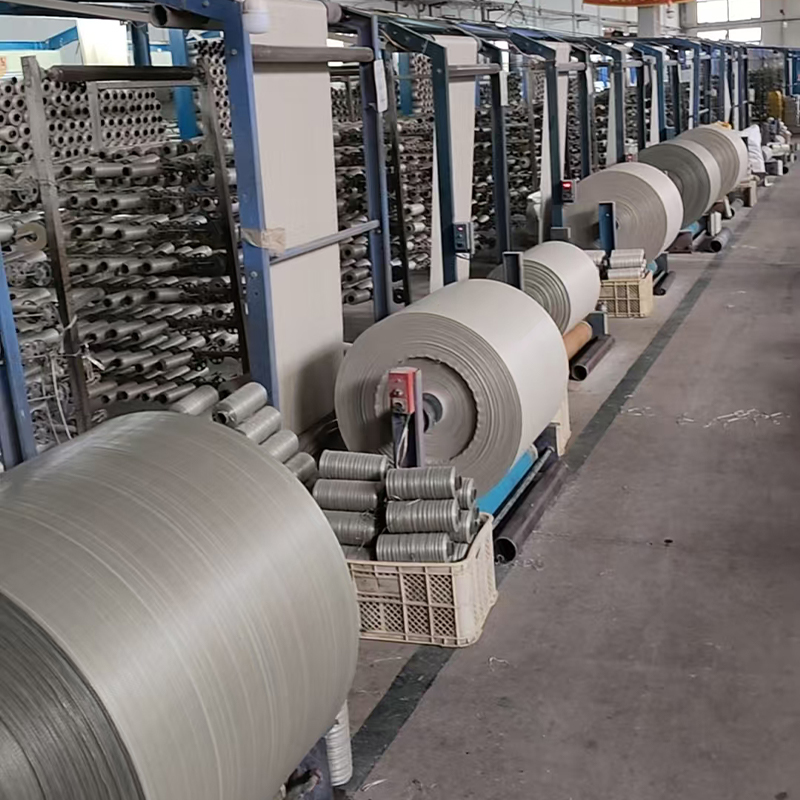
● Shandong, Zhejiang and Jiangsu provinces continue to be the core of industrial clusters, and manufacturing enterprises with a full production cycle - from thread drawing to circular weaving, printing and bag making - demonstrate higher competitiveness;
● Key areas of competition in the future: environmental friendliness, consistent quality, fast delivery times and customized services.
-


-


-


WeChat